
If your goal is longer, stronger curls, choosing the right protective hairstyles for natural hair growth can make a major difference. Protective styles help retain length by minimizing daily manipulation, reducing breakage, and shielding your strands from harsh weather.
In this guide, you’ll discover the best protective styles for natural hair, plus smart design ideas and care tips to support healthy growth.
Why Protective Hairstyles Help Natural Hair Grow
While hair naturally grows from the scalp, length retention is the real challenge. Protective hairstyles help by:
✔ Reducing breakage
✔ Limiting heat styling
✔ Protecting ends from friction
✔ Lowering daily combing and brushing
The key? Choose low-tension styles and maintain a healthy scalp routine.
1. Knotless Box Braids (Lightweight & Growth-Friendly)
Knotless braids are gentler on the scalp compared to traditional box braids.
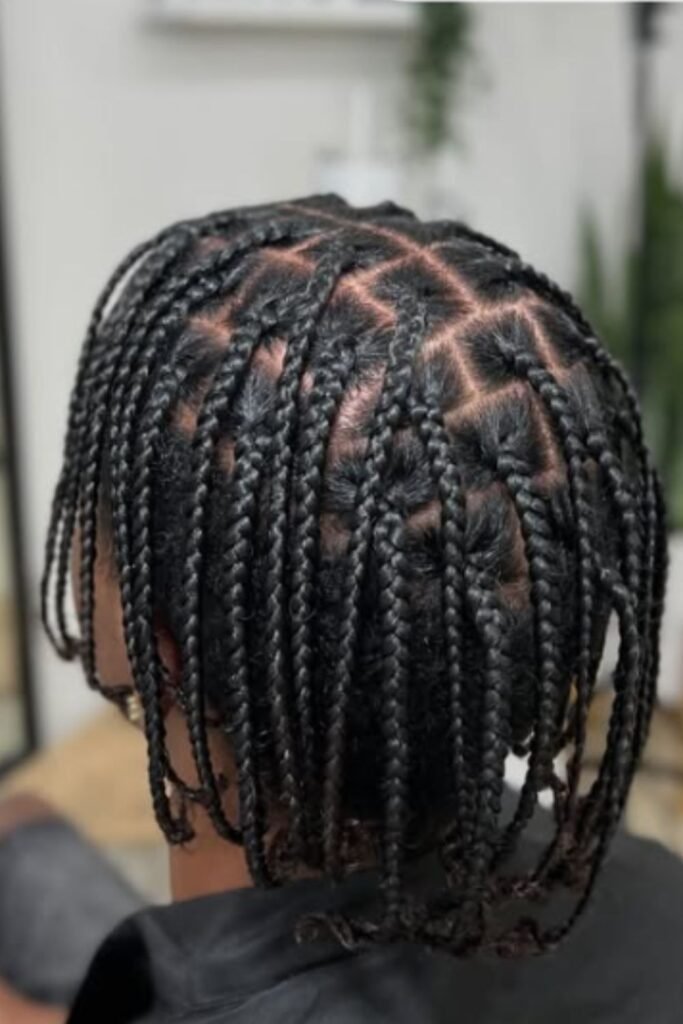
Why they’re great for growth:
- Less tension at the roots
- Lightweight feel
- Easy scalp access for moisturizing
Design ideas:
- Shoulder-length for less weight
- Natural brown tones for a classic look
- Side part for dimension
2. Cornrows (Low Maintenance & Neat)
Cornrows are one of the most effective low-manipulation styles.
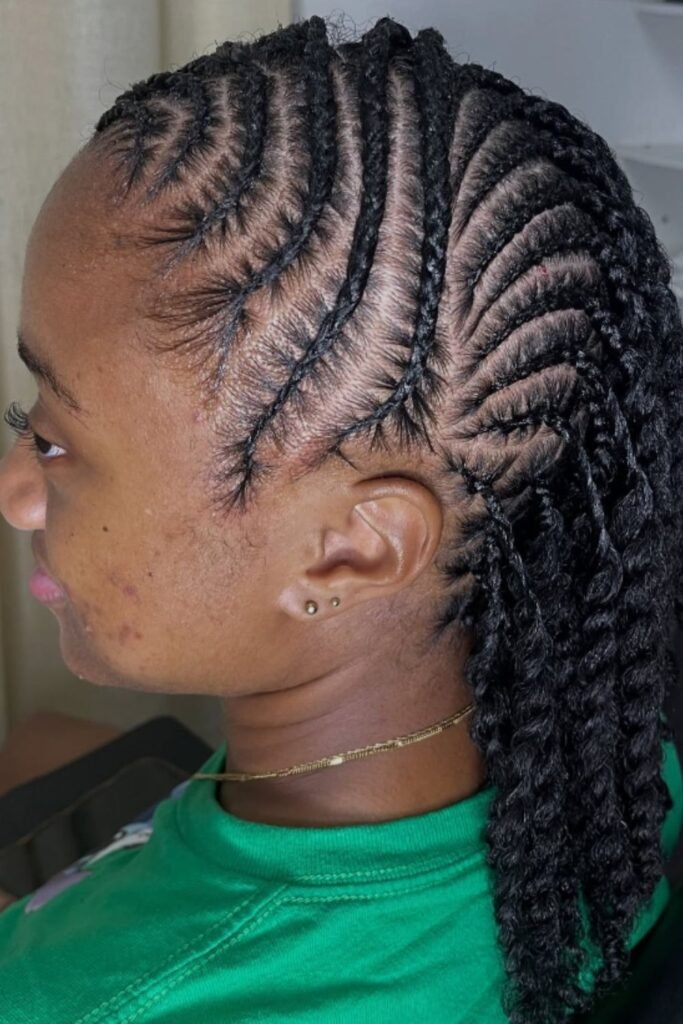
Best for:
- Active lifestyles
- Short-term protective styling
- Minimizing daily handling
Keep braids neat but not too tight to protect your edges.
3. Two-Strand Twists (Soft & Versatile)
Two-strand twists are gentle and flexible.
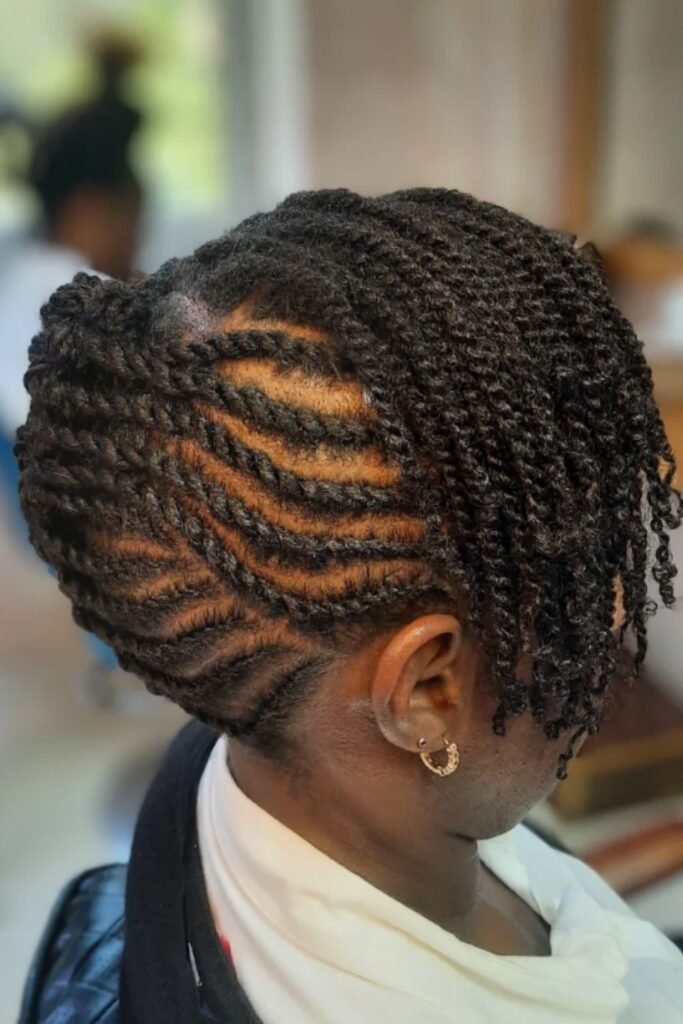
Growth benefits:
- Minimal scalp tension
- Easy to moisturize
- Can be styled into buns or ponytails
They’re perfect for medium to long natural hair.
4. Protective Low Bun (Tuck & Protect Ends)
Tucking your ends away in a low bun protects the oldest, most fragile part of your hair.
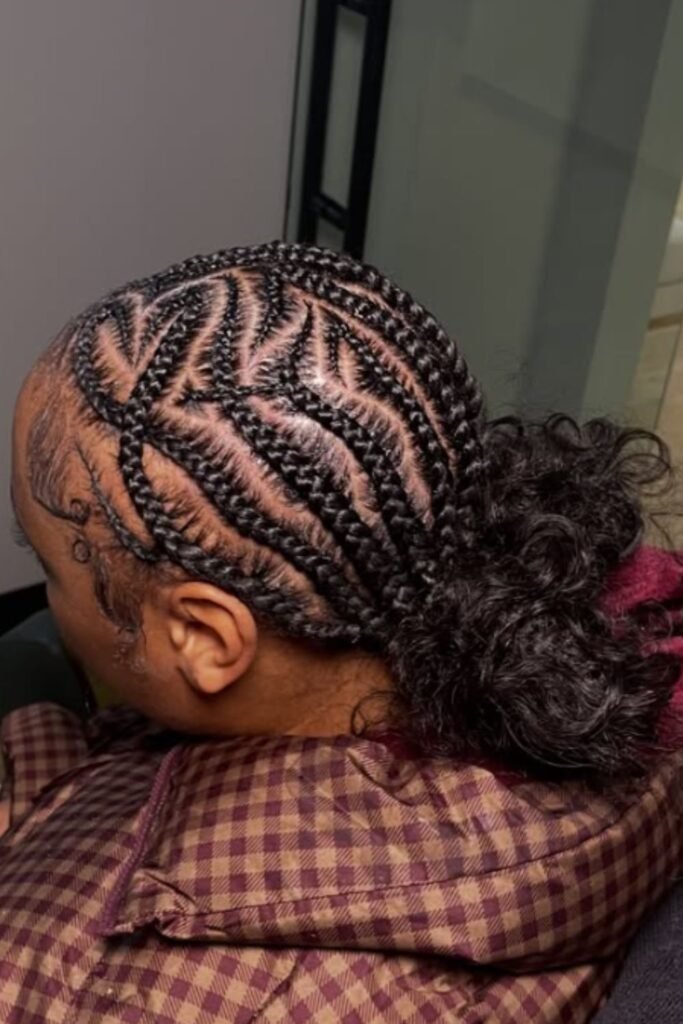
Design ideas:
- Middle or side part
- Smooth finish without heavy gel
- Soft edges to prevent tension
Great for professional settings too.
5. Bantu Knots (Compact & Protective)
Bantu knots protect ends while giving you a bold, stylish look.
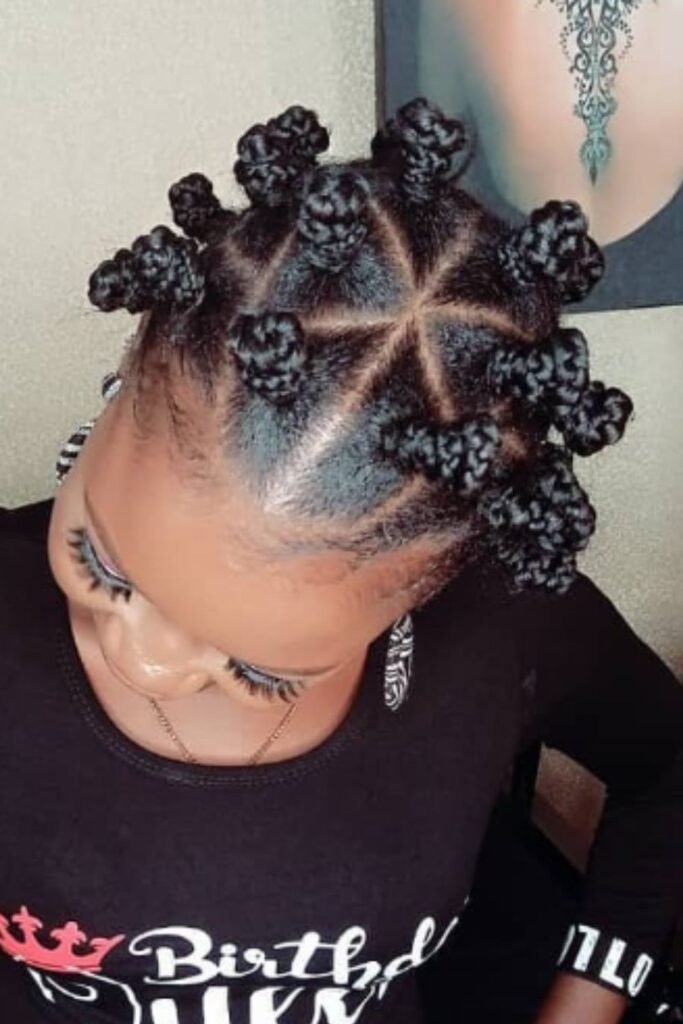
They also:
- Reduce tangling
- Create defined curls when taken down
- Require minimal daily styling
6. Wigs with Braided Base
Wearing wigs can protect your natural hair—if done correctly.
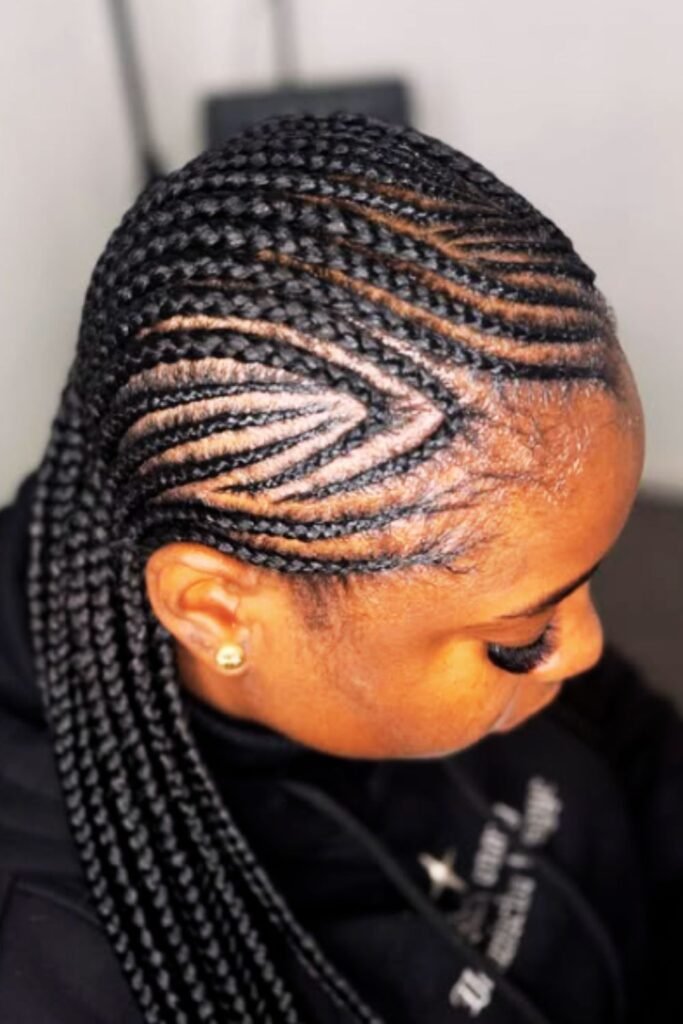
Growth tips:
- Braid hair neatly underneath
- Moisturize scalp regularly
- Avoid glue that damages edges
This style allows versatility while your hair rests underneath.
7. Halo Braid (Crown Braid Updo)
The halo braid keeps hair tucked and protected from friction.
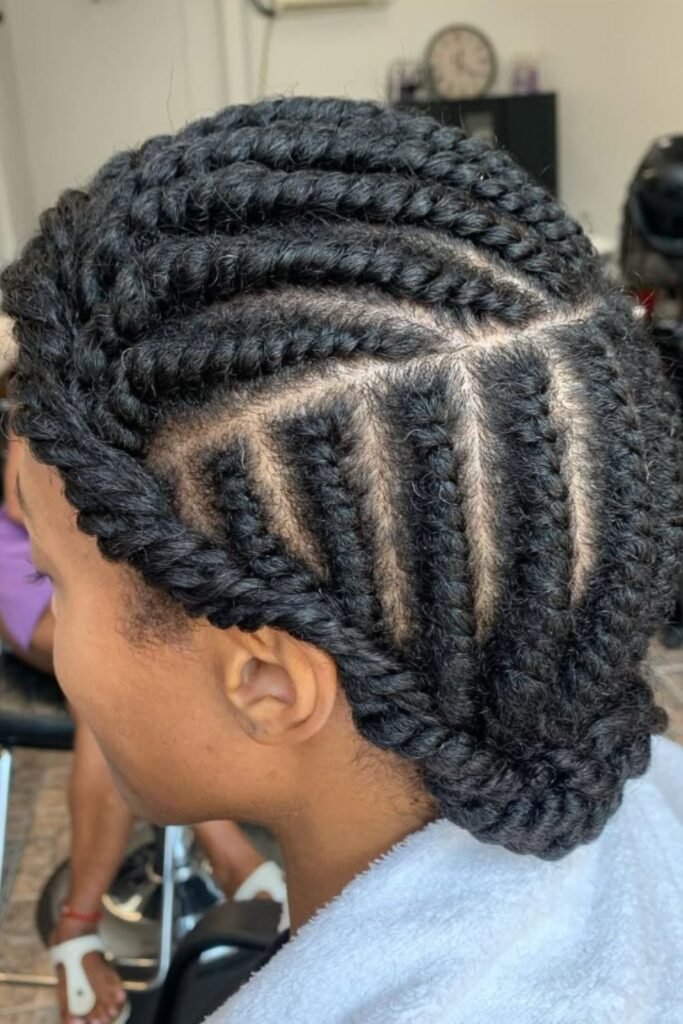
Why it supports growth:
- Ends are hidden
- Minimal manipulation
- Elegant and long-lasting
Ideal for formal events and work.
8. Mini Twists (Long-Term Protection)
Mini twists can last for weeks with proper care.
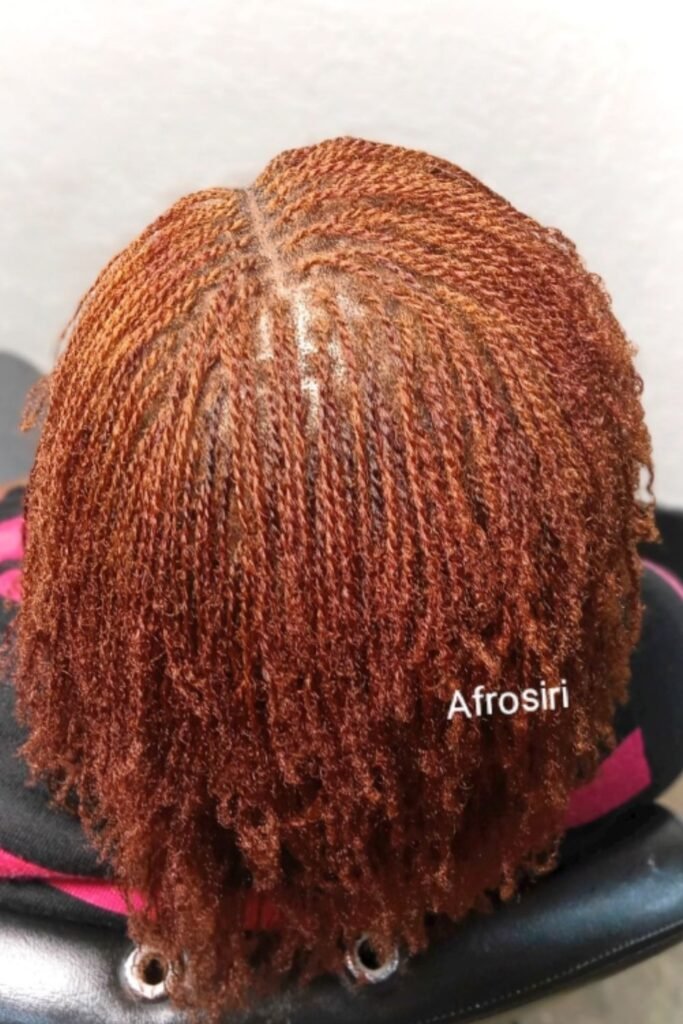
Benefits:
- Excellent length retention
- Easy scalp access
- Lightweight and flexible styling
Seal ends with oil to reduce dryness.
How to Maximize Hair Growth in Protective Styles
Protective styling alone isn’t enough. Follow these growth-focused habits:
✔ Keep Your Scalp Healthy
- Cleanse regularly
- Massage scalp to stimulate circulation
- Use lightweight oils
✔ Avoid Excess Tension
- Don’t install styles too tight
- Give your edges breaks
- Avoid heavy extensions
✔ Moisturize Consistently
- Use water-based leave-ins
- Seal with light oil
- Focus on ends
✔ Take Breaks Between Styles
Let your hair breathe between long-term protective styles.
Final Thoughts
The best protective hairstyles for natural hair growth are those that minimize breakage while keeping your ends tucked and your scalp healthy. From knotless braids and cornrows to mini twists and buns, these styles help you retain length and protect your curls.
Consistency, gentle handling, and moisture are the true secrets to growth. Choose styles that fit your lifestyle, protect your edges, and allow your natural hair to thrive.


